Top Ways to Improve gut health and anxiety Right Now
Comprehending the Relationship: How Gut Health Influences Anxiety Levels
How gut health relates to anxiety levels has emerged as a notable area within mental health research. The gut bacteria ecosystem performs an essential role in moderating mood and emotional responses. Disruptions in intestinal bacteria may lead to anxiety conditions. Examining the way diet and certain nutrients impact this association is crucial. Grasping these mechanisms might present novel pathways for addressing anxiety efficiently. How might this influence routine dietary selections?
Grasping the Brain-Gut Connection: Its Importance
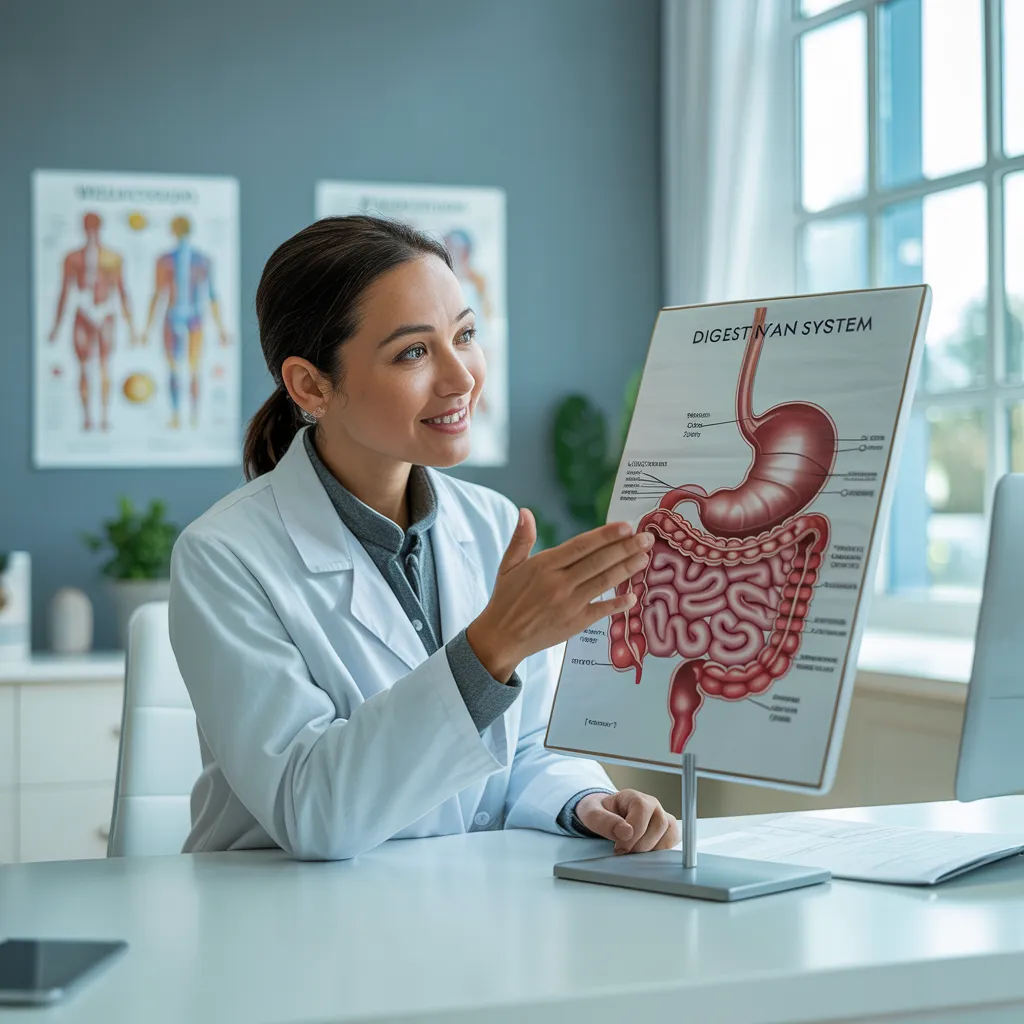
While the connection between the gut and the brain has been acknowledged for centuries, recent scientific investigation has shed light on the critical role of the gut-brain axis in impacting mental health. This intricate communication network includes biochemical signaling between the gastrointestinal tract and the central nervous system, underscoring the function of gut health in emotional regulation. Neurotransmitters synthesized in the gut, such as serotonin, play an critical role in mood stabilization. Furthermore, the gut microbiome interacts with the immune system and can impact inflammatory responses tied to anxiety. Understanding this axis is essential, as it opens avenues for potential interventions through changes in diet or probiotics, potentially delivering new strategies to manage anxiety and boost overall mental well-being. The implications of this research are hopeful for future mental health treatments.
How Gut Microbiota Influence Mood and Anxiety
The intricate relationship between gut microbiota and mental health has garnered increasing attention, demonstrating that the diverse community of microorganisms living in the gastrointestinal tract plays a pivotal role in shaping mood and anxiety levels. Research demonstrates that gut bacteria communicate with the central nervous system through different pathways, including the production of neurotransmitters such as serotonin, which significantly influences emotional states. Furthermore, gut microbiota can affect the body's stress response and inflammation levels, both of which are closely linked to anxiety disorders. Studies have demonstrated that a balanced microbiome may contribute to enhanced emotional regulation, while dysbiosis, or an imbalance in gut bacteria, has been connected with amplified anxiety and mood disorders. This highlights the importance of gut health in mental well-being.
The Role of Diet in Supporting Gut Health
What we eat plays a significant role in maintaining gut health, which in turn can influence anxiety levels. Nutrient-dense foods, along with probiotics, support a balanced gut microbiota vital for emotional well-being. On the other hand, excessive sugar intake can adversely affect gut flora, possibly worsening anxiety symptoms.
Nutrient-Rich Foods Are Important
As people emphasize nutrient-dense foods, they commonly notice considerable improvements in their gut health, which can substantially affect overall well-being. Eating a variety of whole foods, such as fruits, vegetables, whole grains, lean proteins, and healthy fats, provides essential vitamins and minerals that support digestive function. These foods help create a balanced microbiome, which is crucial for processing nutrients and maintaining gut integrity. Additionally, nutrient-rich diets can diminish inflammation, a factor that may worsen anxiety and other mental health issues. By prioritizing quality nutrition, individuals can cultivate a resilient gut environment, ultimately supporting mental clarity and emotional stability, thereby creating a robust foundation for improved mental health outcomes.
Probiotics and Digestive Flora
Although numerous individuals may not recognize it, the balance of gut flora plays an essential role in overall health, particularly in relation to anxiety levels. Probiotics, which are advantageous bacteria contained in certain foods and supplements, can considerably influence gut health. When consumed, they help restore the natural balance of gut flora, enhancing digestive function and promoting a healthy immune response. Research suggests that a well-balanced gut microbiome can positively modify neurotransmitter production, such as serotonin, which is critical for mood regulation. Dietary sources of probiotics include yogurt, kefir, sauerkraut, and other fermented foods. By incorporating these into their diets, individuals may support not only their gut health but also potentially mitigate anxiety symptoms linked to imbalances in gut flora.
The Harmful Effects of Sugar
What is the relationship between sugar intake and gut health, and its impact on anxiety? Overconsumption of sugar has the potential to disrupt the balance of gut microbiota, stimulating the growth of harmful bacteria while suppressing beneficial strains. This imbalance might cause increased intestinal permeability, often referred to as "leaky gut," allowing toxins to enter the bloodstream and trigger inflammation. Inflammation has the potential to influence brain function and correlates with heightened anxiety and mood disorders. In addition, sugar can cause fluctuations in blood sugar levels, which might intensify feelings of irritability and anxiety. By maintaining a diverse and healthy gut microbiome through reduced sugar consumption, individuals might simultaneously better their gut health but also alleviate anxiety levels, illustrating the critical interplay between diet, gut health, and mental well-being.
Critical Nutrients for Enhancing Mental Health
Key nutrients fulfill an important purpose in promoting mental health and can dramatically impact mood patterns and anxiety symptoms. Critical vitamins, key minerals, and omega-3 fatty acids are among the crucial components that aid in cognitive function and emotional well-being. Recognizing their specific benefits can offer valuable insights into controlling mental health through dietary choices.
Essential Vitamin Supplements for Mental Well-being
Vitamins serve a crucial function in managing emotional states and promoting psychological well-being, as they supply essential nutrients that the body needs to function at its best. Key vitamins such as B-complex vitamins, particularly B6, B9 (folate), and B12, are vital for neurotransmitter synthesis, impacting serotonin and dopamine levels. Vitamin D also serves an important function; its deficiency has been associated with mood disorders. Moreover, vitamin C is significant for its antioxidant properties and its role in neurotransmitter production. Together, these vitamins contribute to the maintenance of emotional well-being and can help mitigate anxiety symptoms. Ensuring adequate intake through supplementation or diet may enhance mood and enhance overall mental well-being.
Essential Minerals for Brain Support
Minerals hold a key position in supporting mental health and enhancing cognitive function. Important minerals including magnesium, zinc, and iron are crucial for optimal brain performance. Magnesium assists in regulating neurotransmitters, which can reduce symptoms of anxiety and depression. Zinc enhances cognitive function and mood stabilization by encouraging neurogenesis and synaptic plasticity. Iron is critical for oxygen transport in the blood, influencing energy levels and mental clarity; a deficiency can result in fatigue and evaluation cognitive impairment. Moreover, selenium contributes to mood regulation and may contribute to lowering anxiety symptoms. Guaranteeing adequate intake of these minerals through a well-rounded diet can greatly impact mental well-being and promote a healthier mind.
Benefits of Omega-3 Fatty Acids
While frequently disregarded, omega-3 fatty acids are essential for mental health, presenting multiple benefits that can strengthen cognitive function and emotional well-being. These polyunsaturated fats, mainly found in fish, flaxseeds, and walnuts, play a major role in brain structure and function. Research suggests that omega-3s can diminish symptoms of anxiety and depression, possibly by altering neurotransmitter regulation and reducing inflammation. Furthermore, they may aid neurogenesis, the process of generating new neurons, which is critical for maintaining mental resilience. Introducing omega-3-rich foods into the diet can cultivate improved mood and cognitive clarity. Consequently, understanding the importance of omega-3 fatty acids is essential for individuals seeking to enhance their mental health and overall emotional stability.
Successful Techniques for Intestinal Health and Stress Relief
Multiple research studies indicate a strong connection between gut health and anxiety levels, emphasizing the importance of effective strategies for improvement. Incorporating a diet rich in probiotics and prebiotics can substantially enhance gut microbiota, thereby enhancing mental well-being. Foods such as yogurt, kefir, and fiber-rich fruits and vegetables play an important role in this process. Regular physical activity has also been shown to improve gut health while reducing anxiety. Mindfulness practices, including meditation and yoga, can help minimize stress, further aiding gut function. Additionally, ensuring adequate hydration and avoiding processed foods can create a balanced gut environment. Together, these strategies can help with alleviating anxiety symptoms and fostering overall mental resilience.
Recognizing Gastrointestinal Anxiety Manifestations?
The interaction of gut wellness and nervous tension can display itself in numerous physical and emotional signs. Those facing intestinal-associated anxiety could detect gastrointestinal problems like bloating, constipation, or diarrhea, typically caused by emotional strain. Furthermore, they could experience ongoing sensations of worry, restlessness, or irritability, which can increasingly intensify their intestinal uneasiness. Sleep difficulties, such as insomnia or restless sleep, might also develop, associating weakened intestinal health to elevated anxious states. Also, urges for detrimental food options can surface, generating a sequence that negatively impacts both gut and mental well-being. Detecting these manifestations is important, as they could indicate an fundamental link between stomach functionality and emotional health, encouraging individuals to obtain proper remedies.
Cultivating Your Gut for a More Peaceful Mind
How does supporting gut health lead to a more peaceful mind? Research indicates that a healthy gut microbiome serves a crucial function in mental well-being. Fermented foods such as yogurt and kimchi contain probiotics that can improve gut health, which may reduce anxiety symptoms. Furthermore, a diet high in fiber, fruits, and vegetables fosters beneficial bacteria, promoting a balanced gut environment. Fish and flaxseeds, which contain omega-3 fatty acids, also benefit mental health by minimizing inflammation. Proper hydration is important, as water aids digestion and nutrient absorption. Consistent exercise further enhances gut health and triggers endorphins, which can boost mood. By implementing these dietary and lifestyle changes, individuals may notice improved gut health and, subsequently, a calmer mind.
Frequently Asked Questions
Do Probiotics Help Lower Anxiety Symptoms Effectively?
Probiotics may effectively reduce anxiety symptoms in some individuals. Research demonstrates that these beneficial bacteria can favorably influence gut microbiota, potentially leading to improved mental health outcomes, though results can vary amongst different people.
How Much Time Is Needed to Notice Gut Health Improvements?
Enhancements in gut health can usually be detected within a few weeks to several months, depending on diet changes, probiotic intake, and individual health factors. Persistence and patience are vital for obtaining notable results.
Can Some Foods Be Associated with Heightened Anxiety Levels?
Specific foods, notably those packed with sugar, caffeine, and poor-quality fats, might lead to higher anxiety levels. Furthermore, processed foods may compromise gut health, further exacerbating feelings of anxiety in sensitive people.
Is There a Designated Diet for Anxiety Management?
A targeted diet for anxiety management typically contains whole foods, omega-3 fatty acids, probiotics, and antioxidants. This type of diet might assist in regulating mood and minimize anxiety symptoms, supporting overall mental wellbeing and resilience.
Does Stress Harm Gut Health?
Indeed, stress can adversely impact gut health by disturbing the balance of gut bacteria, leading to inflammation and digestive issues. This imbalance may further exacerbate stress and anxiety, establishing a harmful cycle for overall well-being.